The Highlands
"The joy of life comes from our encounters with new experiences, and hence there is no greater joy than to have an endlessly changing horizon, for each day to have a new and different sun."
Christopher McCandless
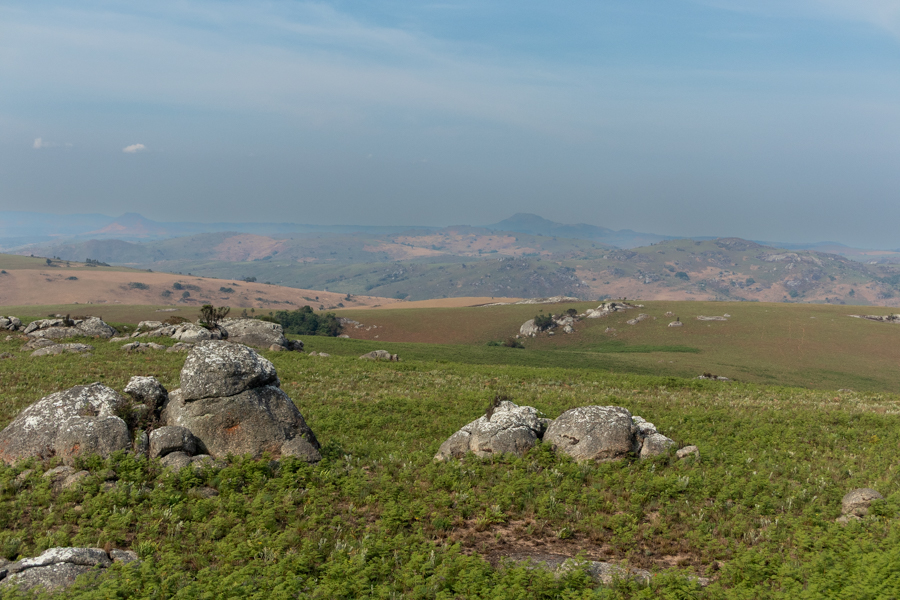
Malawi lies in the Great Rift Valley which traverses the country from North to South. As a result the east of the country consists of the lake, and the narrow strip of land bordering the lake, and the west is characterised by the steep rift escarpment with a series of plateaus and high mountain ranges.
The escarpment rises to around 1200m just above the lake, and the Nyika Plateau in the north rises to over 2000m while the Shire mountains in the south have peaks above 3000m.
There is a palpable difference in climates between these low lying and high lying areas. From the sticky heat of the lake side to the icy winds of the higher plateaus.
From Chitimba we decided to head for the highlands, a respite from the heat and a town called Livingstonia. No prizes for guessing its claim to fame.
Missionary Zeal
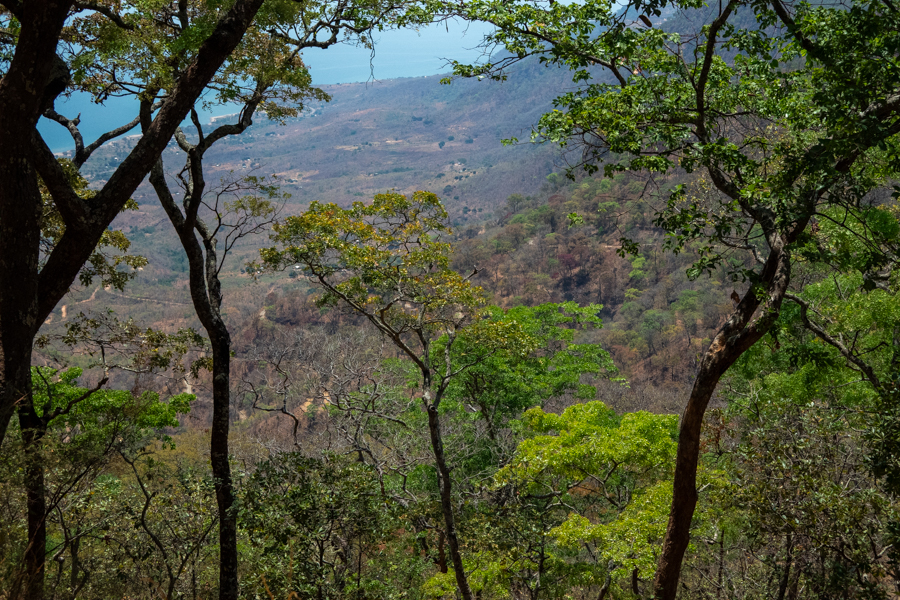
We had been told that the road from the lake to Livingstonia was a series of steep hairpin bends but navigable in the dry weather. It has 21 switchbacks in 21 km to be exact, but the road was in reasonable condition and the traffic light so no worries. We climbed up to the forested escarpment.
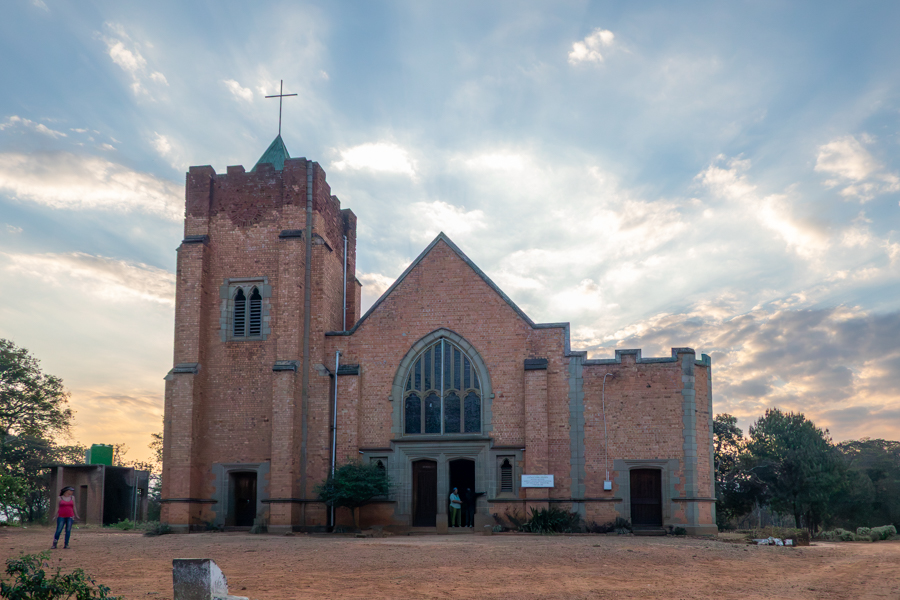
Livingstonia Mission Church est 1875
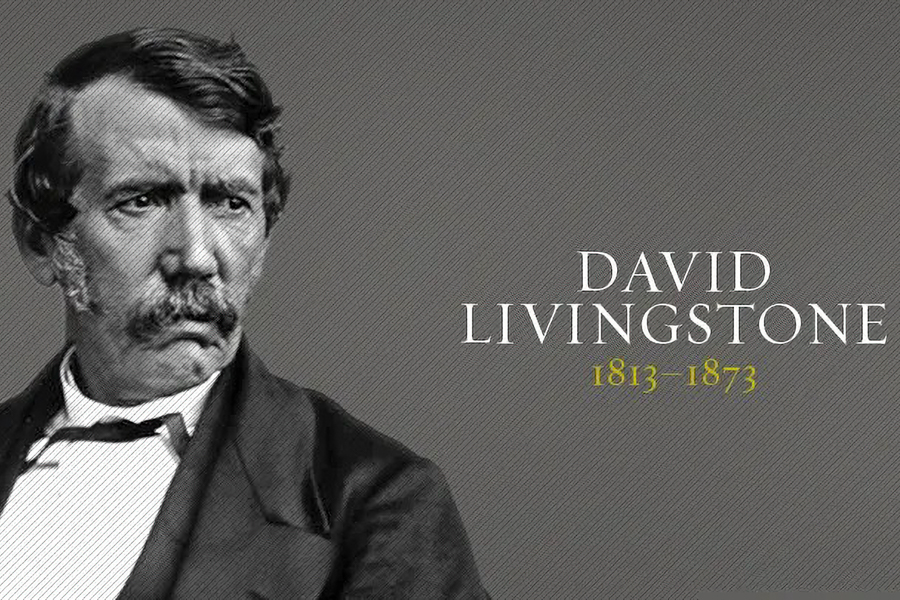
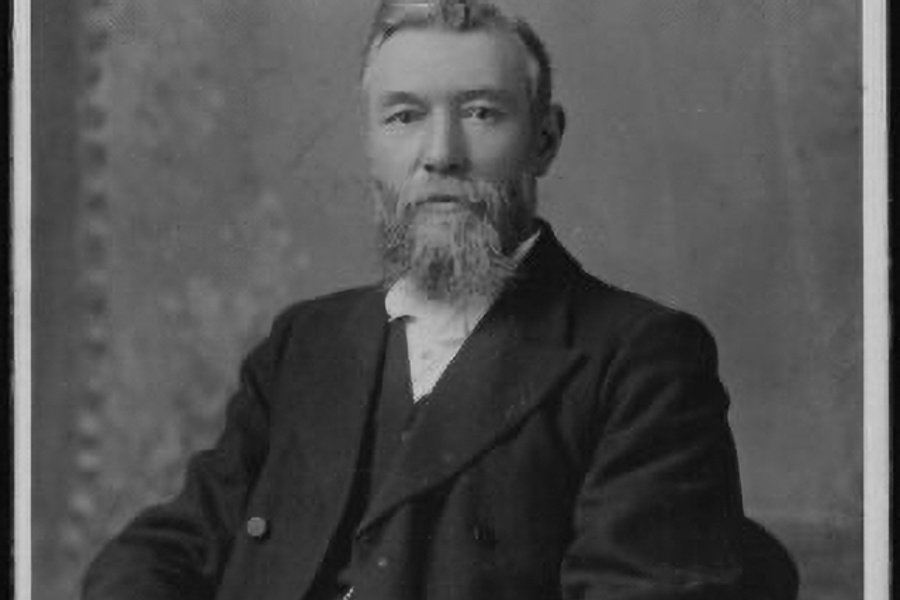
David Livingstone and Robert Laws
Livingstonia was founded in 1894 by the Free Church of Scotland. They named the mission Livingstonia after David Livingstone, and subsequently the town took its name from the mission.
In actual fact the Livingstonia Mission was first established in Cape MacClear and then moved to Bandawe in the south by the lake, but both sites were abandoned because of malaria. Livingstonia had a much more welcoming climate.
David Livingstone was born in Scotland in the Calvinist church, and was largely funded by churches in Scotland in his missionary work. Anyway he was clearly an inspirational figure, especially for Church of Scotland missionaries. As far as I know he never came to Livingstonia. He died 20 years before the mission was founded.
The leading missionary in Livingstonia Mission was Robert Laws. He led the mission for 53 years. He built the church and many of the red brick buildings, and founded healthcare. He pioneered education and antislavery. He established the best school in Malawi. Its graduates became influential in several neighbouring countries. Laws wanted to found a university but it was not until 2003 that the Livingstonia synod of the Church of Central Africa renewed his vision and started the university.
Malawi has four public universities and several private universities, including Livingstonia. Malawi has one of the lowest rates of participation in university education in the world, with less than 1% of college age people attending university in the country. Room for improvement.
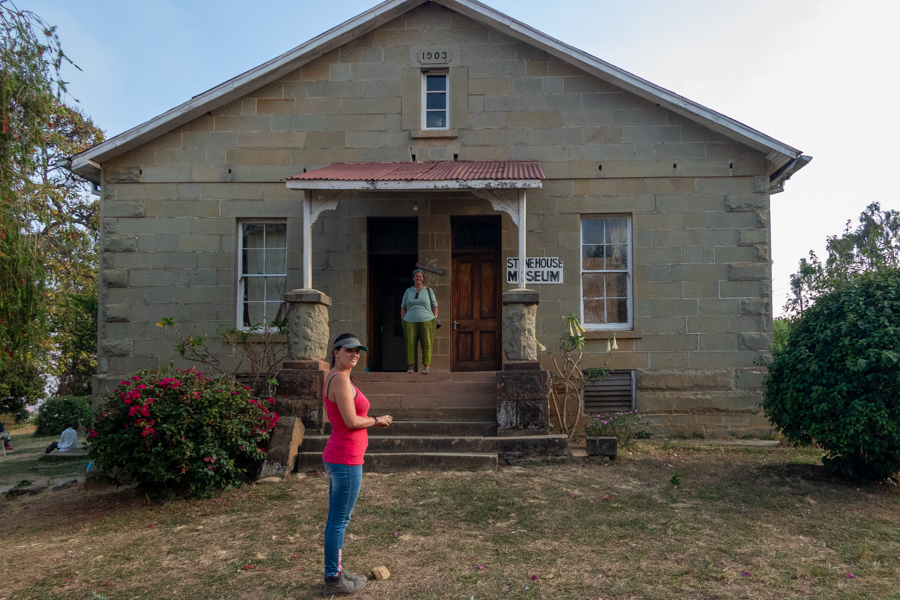
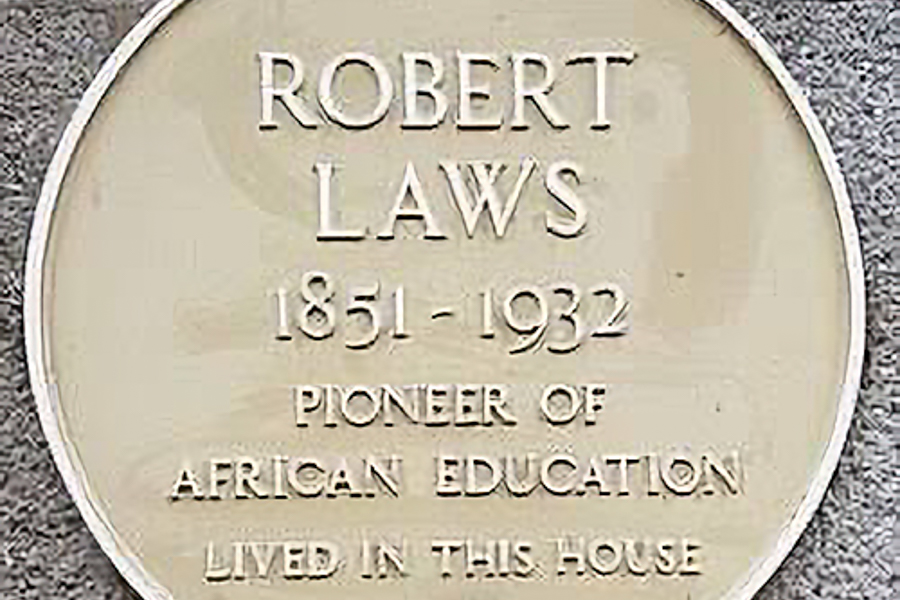
We drove into the town centre. There were lots of young people about, looking studious, as you may expect for a university town. The University currently boasts about 2000 students. Many buildings of red brick date back to the early settlers.
There is a museum in the Diocesan HQ , The Stone House, with dusty but interesting exhibits and old photos. This was the home Robert Laws built. The early mission was very successful with 40,000 christian converts but things fell apart when their benefactor in Scotland died and a new denomination took over.
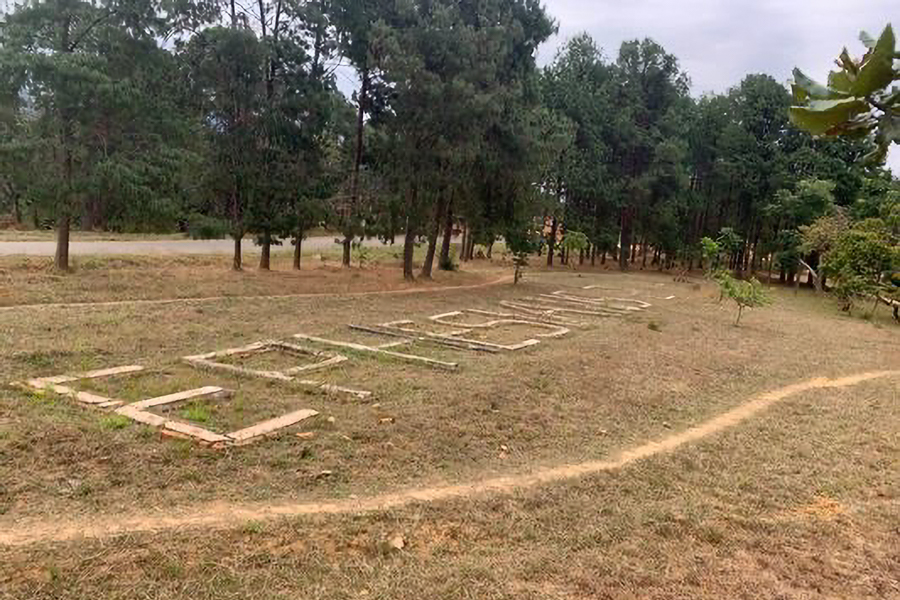
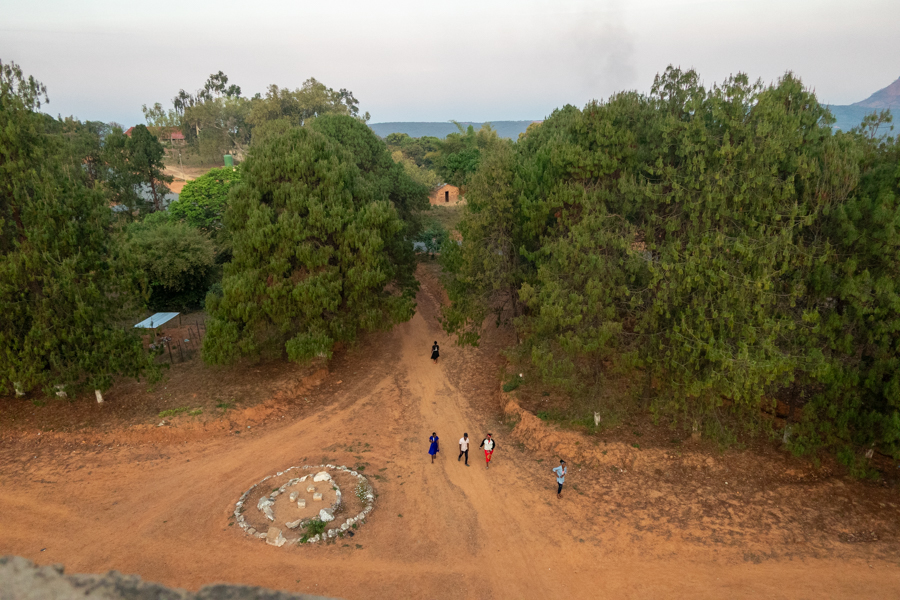
In 1959, during the period when Malawi was seeking independence, there was unrest and violence, the government offered to evacuate the mission. The mission was asked to respond with a coded message spelled out with white bricks outside the mission to signal a plane and arrange evacuation. They refused the offer, believing they lived in harmony and love with the community, and they wrote "Ephesians 2 v14" with the bricks instead, by way of a reply.
Ephesians 2 v 14: "for He is our prince who has made us both one, and has broken down the middle wall of partition between us."
A photograph of the message taken from the plane appeared on the front cover of the Rhodesian Herald the following day and in the Manchester Guardian a few days later. It seems they were right, they were unharmed. The locals remain proud of their missionary heritage.
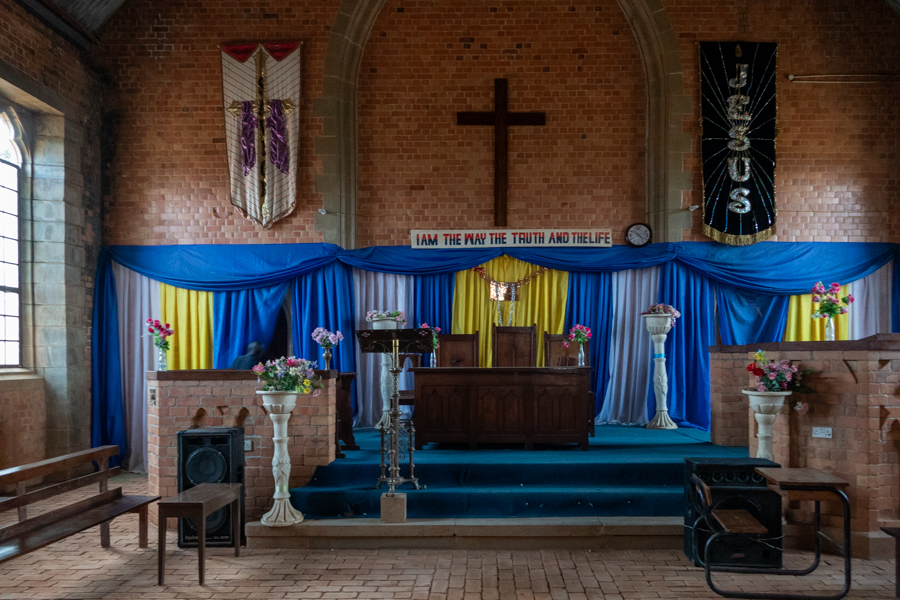
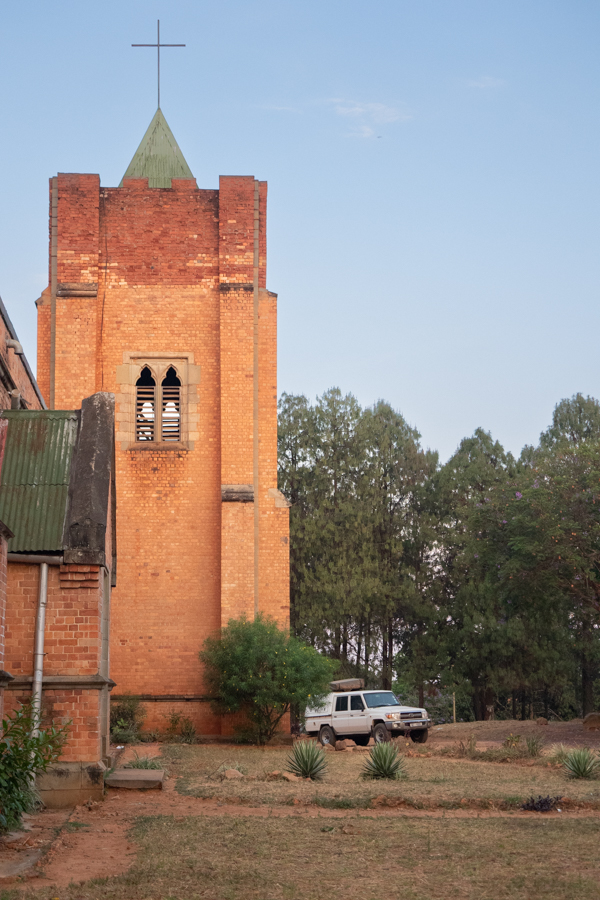
After browsing the curios and a cool drink at an orphan project, we met the church caretaker who offered us a tour. This was the first church, built by Robert Laws, and still in use today.
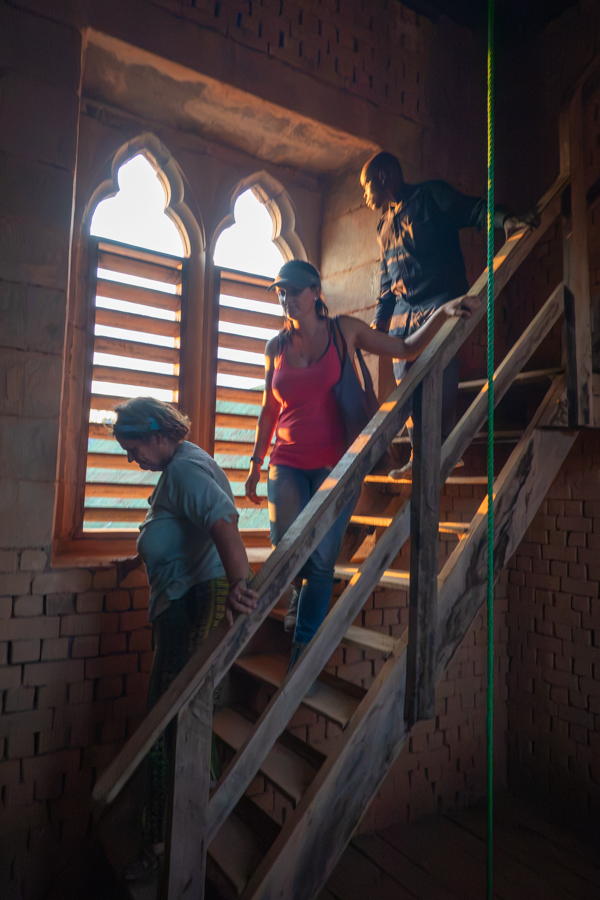
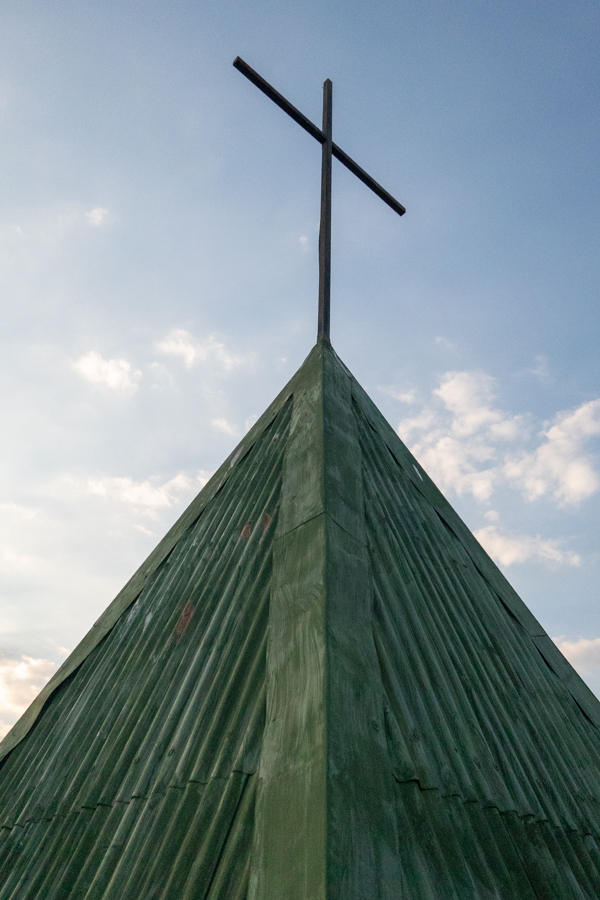
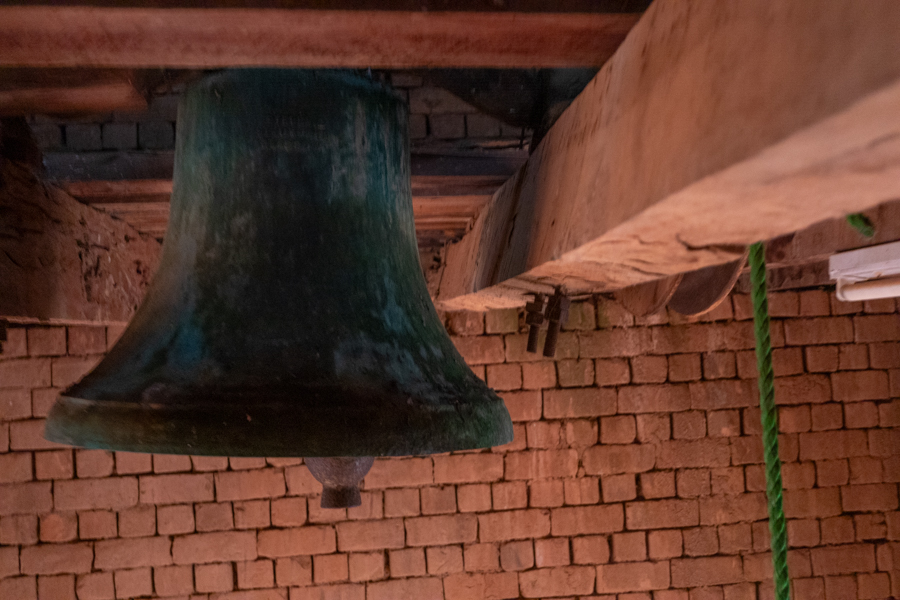
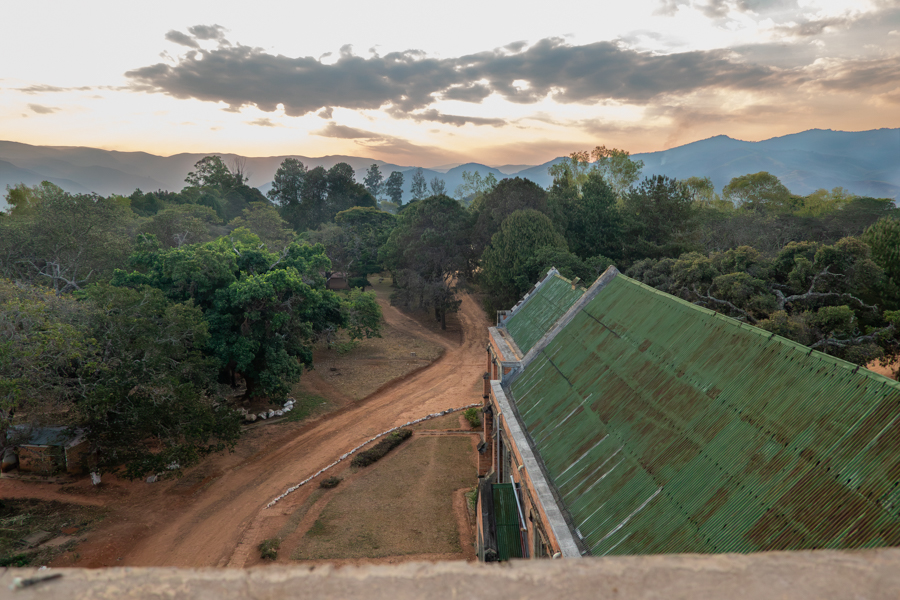
It is small and neat with a stained glass window depicting Livingstone, and a rickety bell tower with steep stairs. On top we could look out over the leafy town.
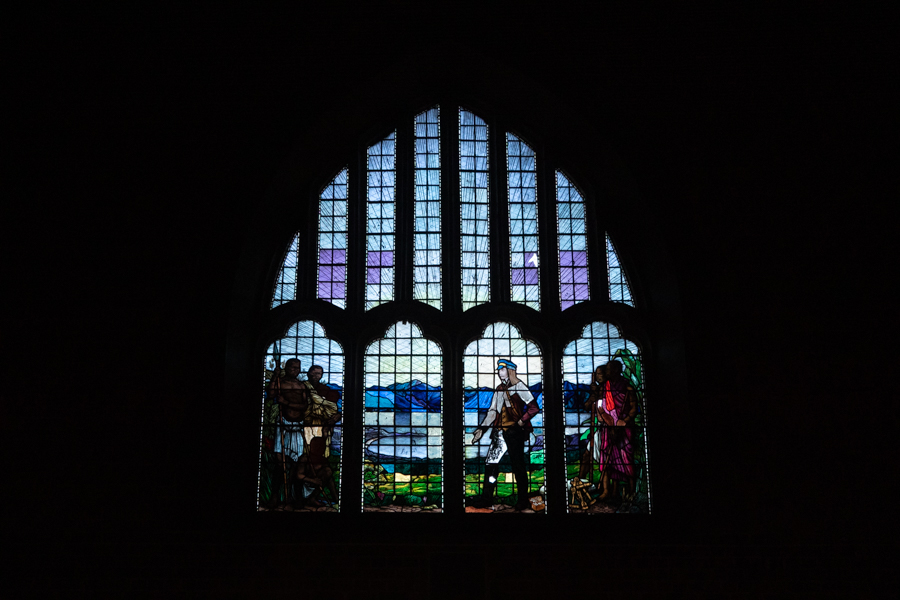
The stained glass window portrays Livingstone standing on the shores of Lake Malawi, accompanied by two of his loyal attendants, Chuma and Susi, while meeting with local village chiefs.
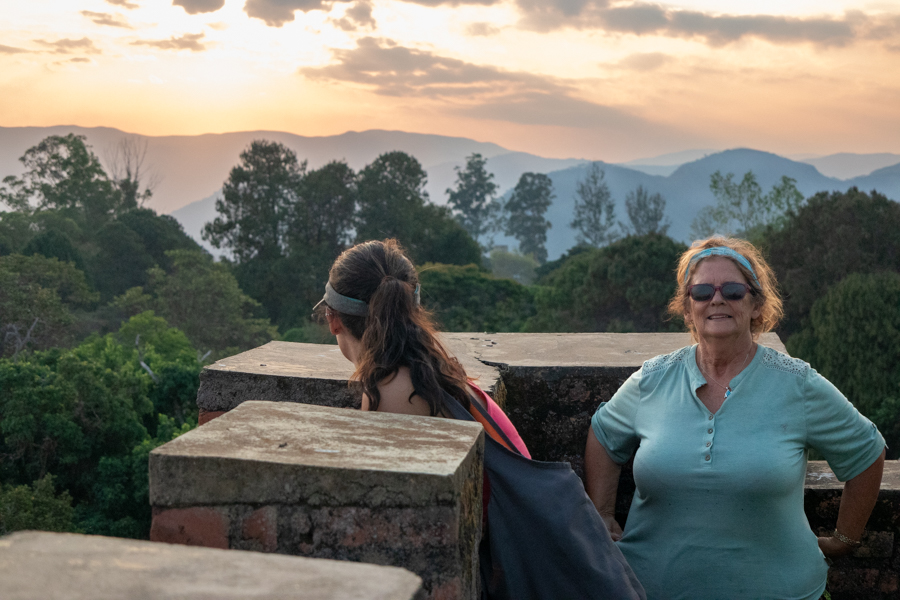
View from the top of the bell tower.
Reimagining Poo
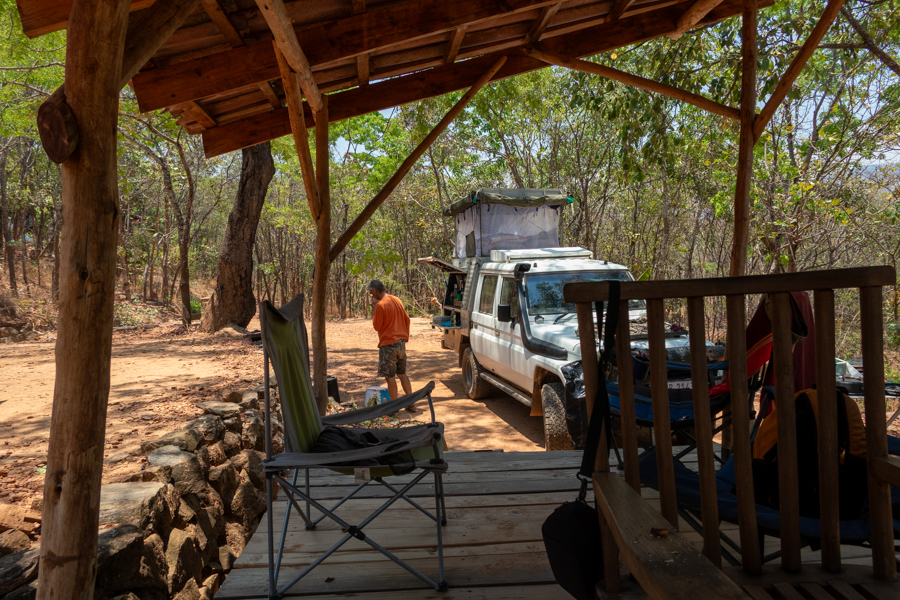
We had booked into a camp site outside Livingstonia called Lukwe, on the advice of Mark from Sangilo. It seems Livingstonia is well known for more than missionaries and education, it is also a firm innovator in permaculture. That's fertilising with poo to you and me. Well one aspect at least.
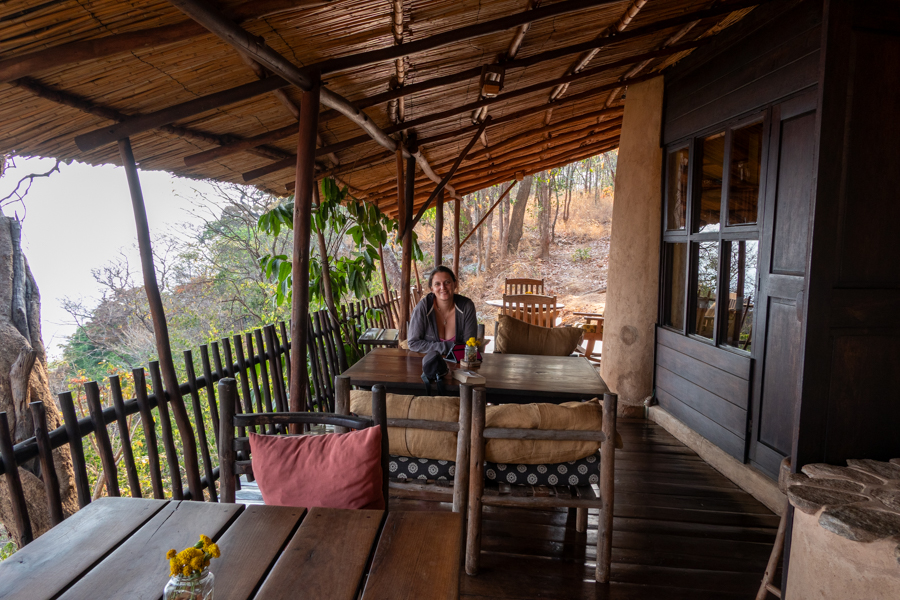
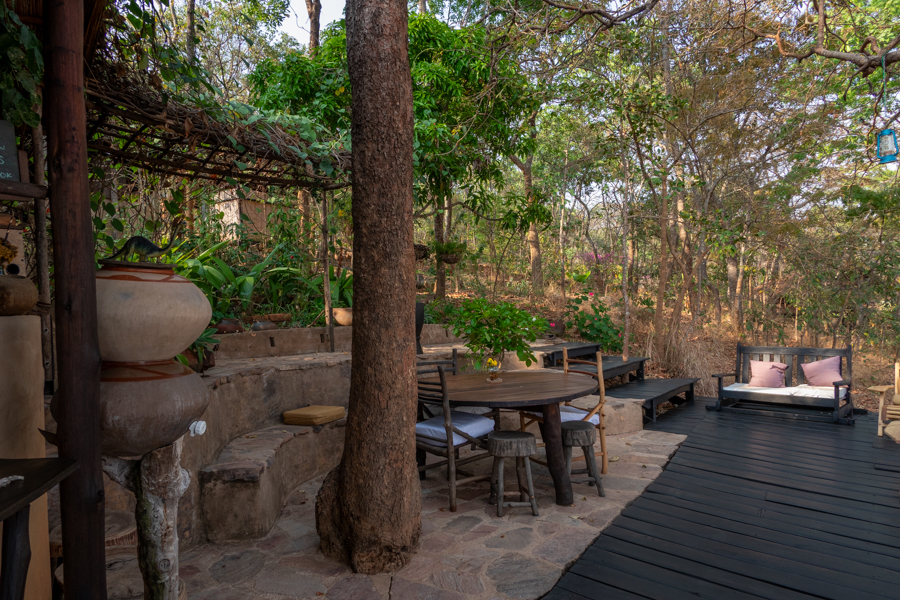
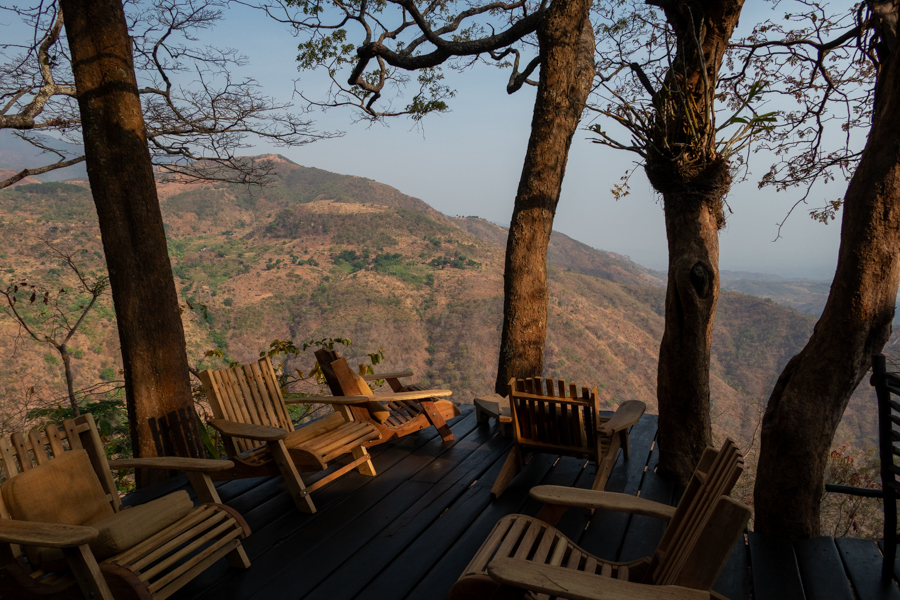
Lukwe sits right on the edge of the escarpment with views of the lake. It has developed a large permaculture project which provides a lot of fresh fruit and vegetables and there is an eco friendly lodge and restaurant, with flower lined, winding paths, and a camp site.
We were welcomed and shown a flat stand with a shade platform and table and chairs, and we had a dry composting toilet and shower on a raised platform about 50 m away.
Dry composting is basically a sanitation system where you do not use water to flush toilets. Instead the waste is allowed to stand and compost relatively dry, fed by ash and dry leaves. The waste falls into a lower space underneath the toilet platform. When it is composted it is removed and used to fertilise the veg and fruit. Surprisingly it does not really smell, because it is dry I guess. It reminds me of the Bokashi bran compost system I have at home. I would not like to be the guy that clears out the compost though.
The biggest problem for me is that the toilets were built quite a way from the site, I think to protect from odours, and getting up rickety stairs to use the toilet is like scaling a 4 story building. I am more likely to fall down the stairs and break my neck at night in the dark.
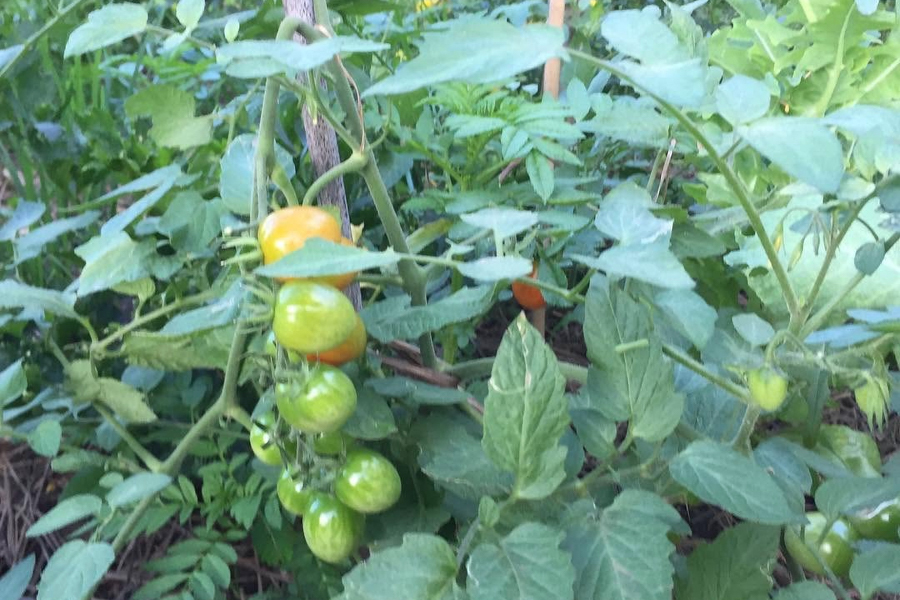
Permaculture is an ecological design approach that creates sustainable human habitats and agricultural systems by emulating the patterns, relationships, and resilience observed in flourishing natural ecosystems. Basically organic farming. Nothing is wasted and fertilisation is non chemical. Crop cycling and partner plants are used.
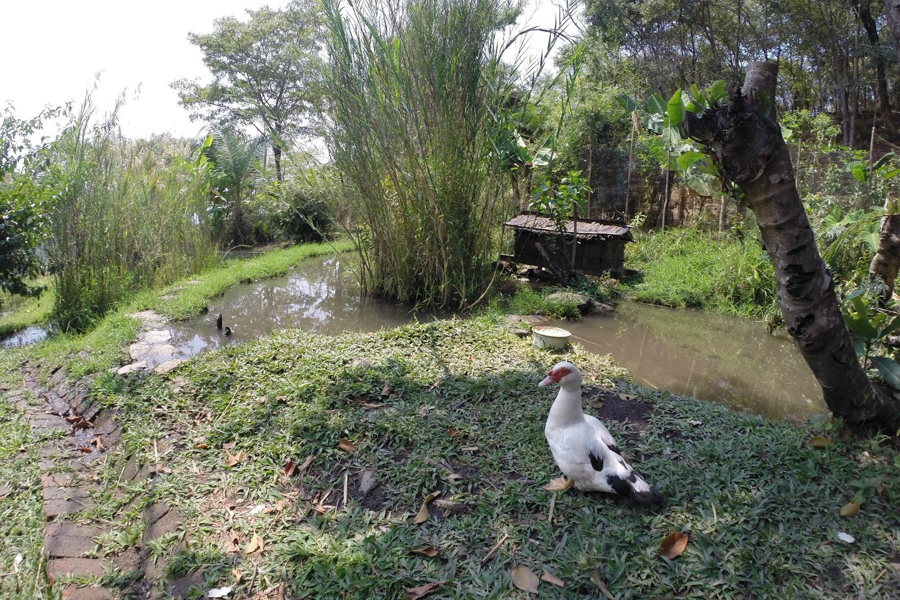
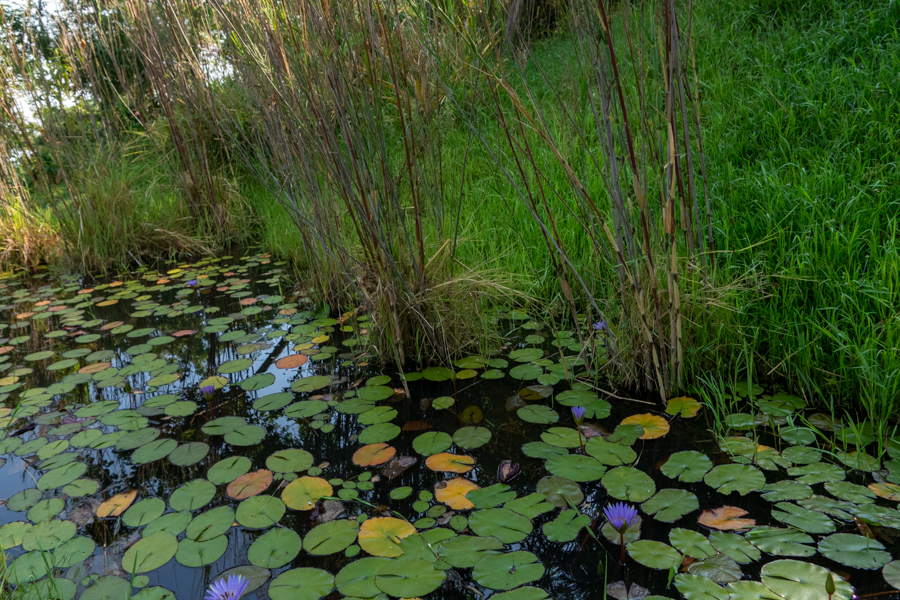
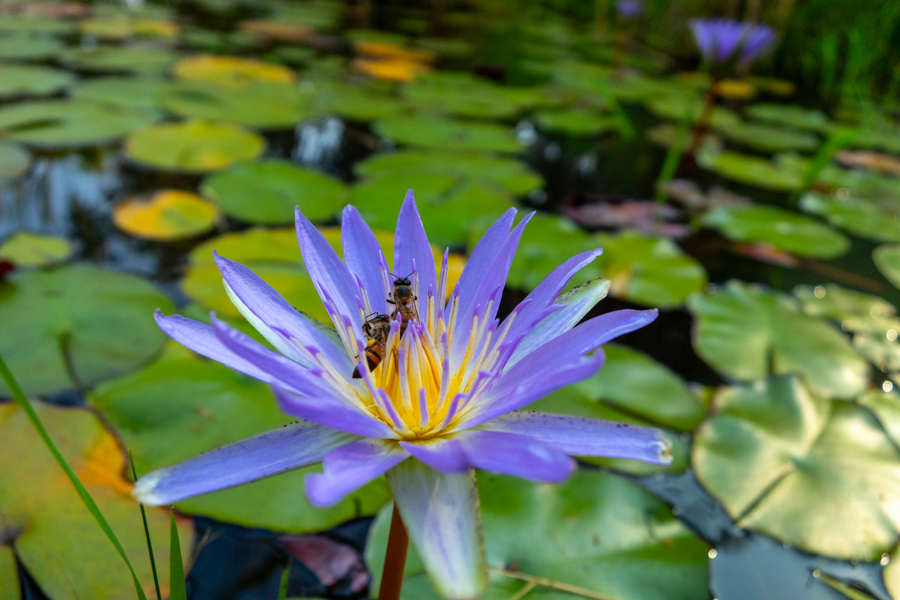
We wandered through the vegetable and fruit plantation and it really was impressive, healthy and productive. Interlocking lakes and ponds full of lillies. Since Lukwe started permaculture several other projects have started in the area. It is an innovative way to counter the issues with sewage in an ecologically sustainable way. I think digging septic tanks in this granite landscape would be impossible.
After getting our heads around the concept of human excrement as compost we did not really think about it again until, on the last morning, eating a beautiful breakfast at the restaurant overlooking the lake, I paused with a forkful of salad half way to my mouth. Am I eating poo? Well it was mighty tasty so maybe it is time for all of us to reimagine our relationship to poo.
You know Dudley, he spent the next 3 days planning to dry compost our toilets at home!
Manchewe Waterfall
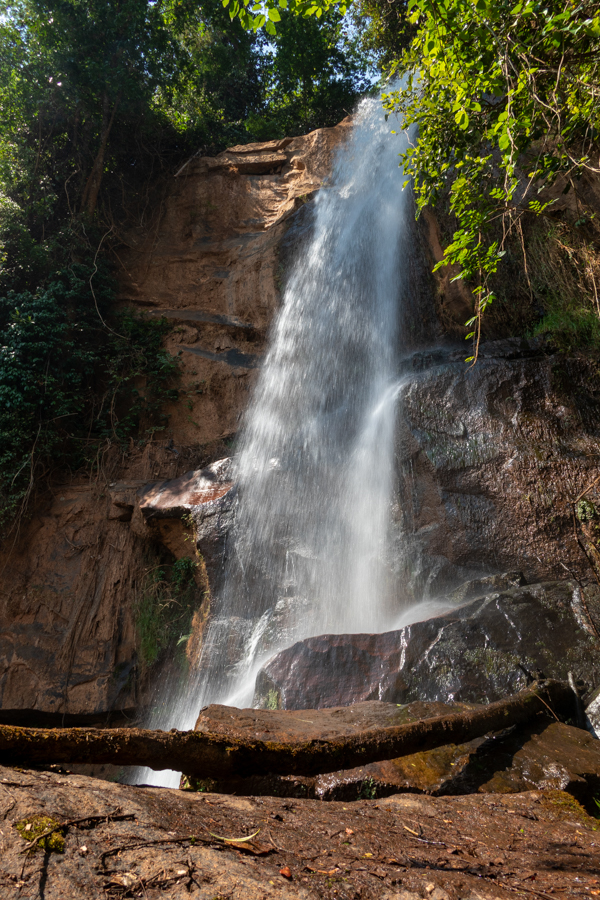
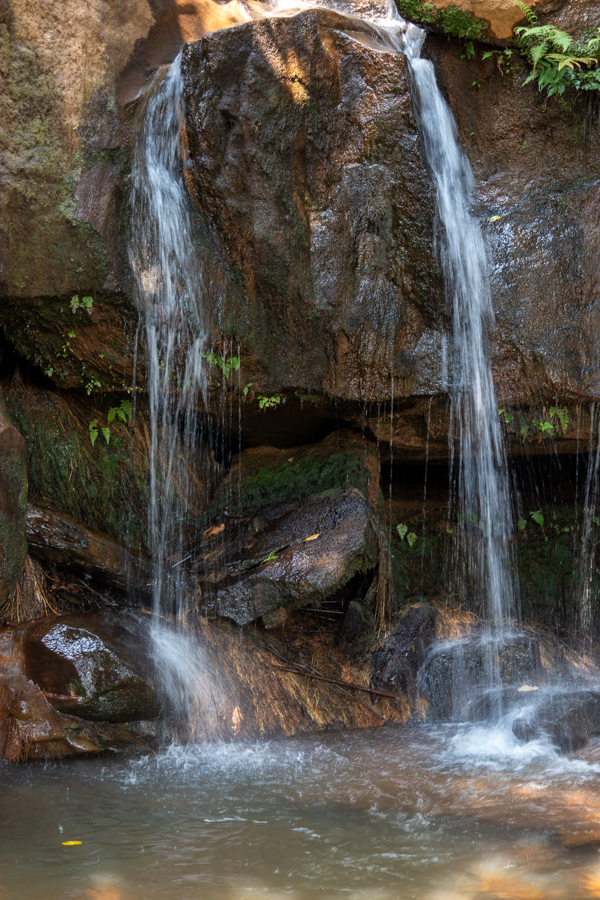
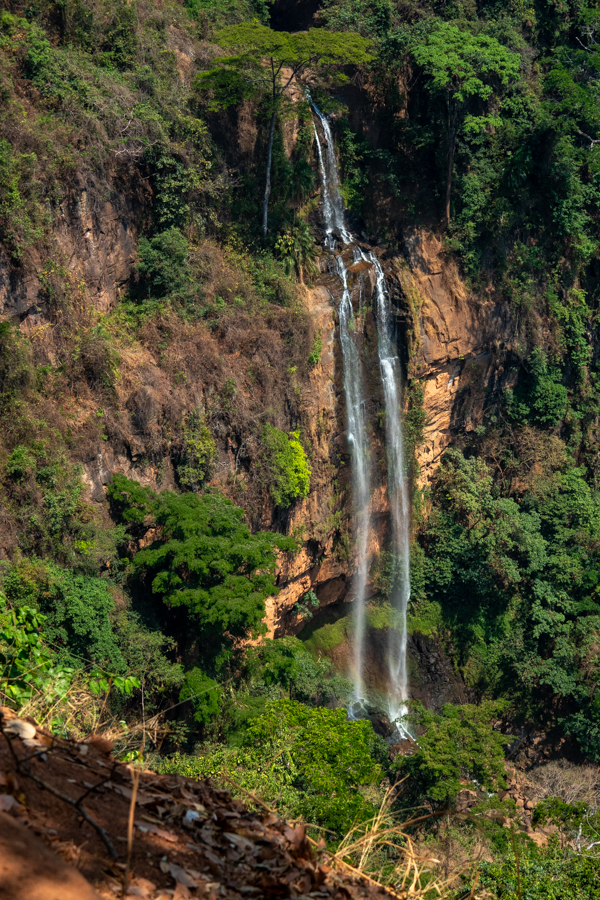
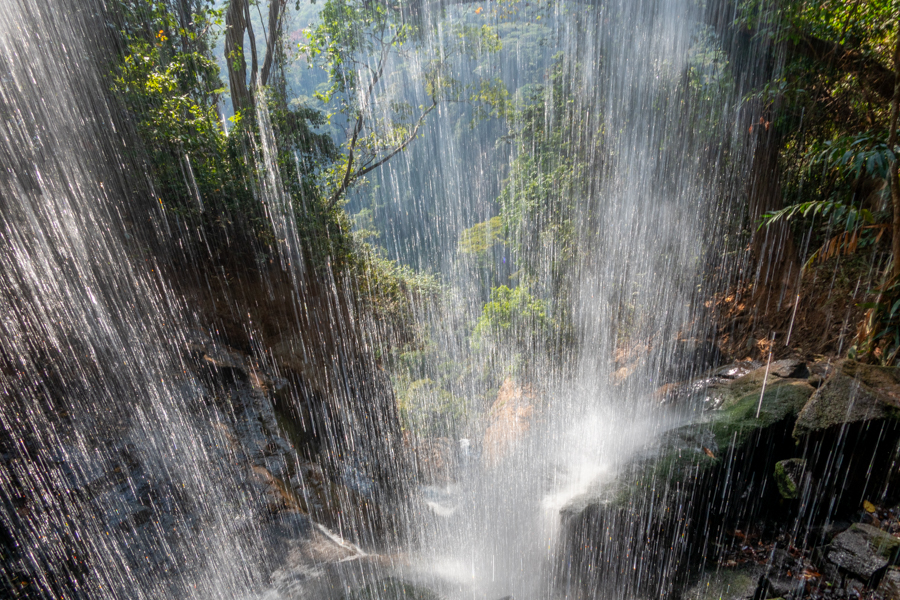
We decided to take an afternoon excursion to see the nearby Manchewe waterfall. There are many waterfalls in the area, especially in rainy season when the water just flows off the escarpment, but the Manchewe Falls is the highest waterfall in Malawi, and is perennial.
We could walk a path through the permaculture project and along the edge of the escarpment on a rocky track. The going was steep and slippery but we reached the entrance of the falls. It is a 125m drop, approached through a forest.
Behind the falls is a cave. Legend has it this was a spot the local people used to hide from slaving parties.
Historically, Malawi was a key part of the 19th-century East African slave trade routes, primarily managed by Swahili-Arab traders and certain Yao and Ngoni chiefs. Major slave trading centers were located at Nkhotakota, Karonga, Mangochi, and Phalombe, from where tens of thousands of captives were annually shipped across Lake Malawi to the East African coast for sale.
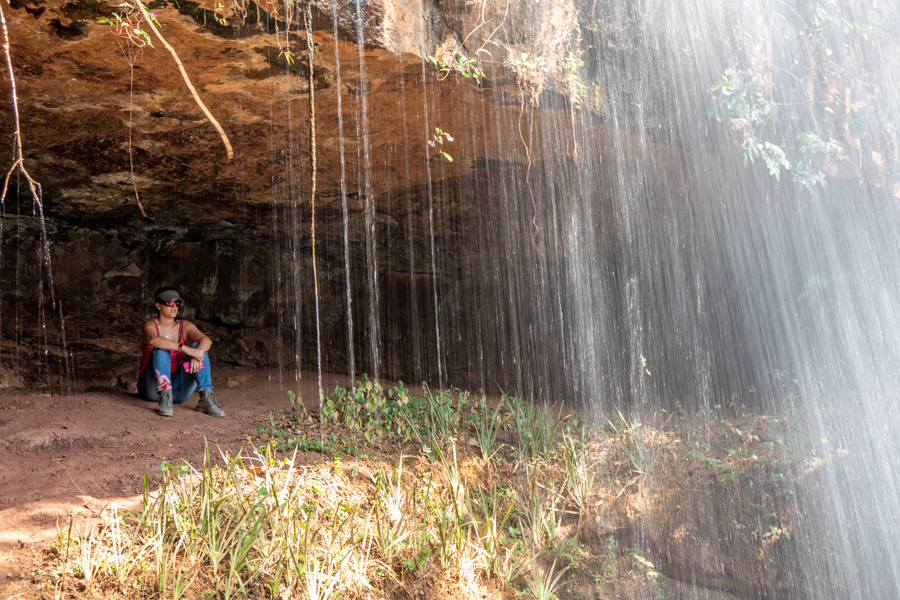
As an aside, modern slavery remains a significant issue in Malawi, with an estimated 93,000 people living in conditions of forced labor or forced marriage at any point in 2021. The country serves as a source of victims for human trafficking, both domestically and internationally, primarily driven by poverty and a lack of job opportunities.
The 2023 Global Slavery Index reports a prevalence of approximately 4.9 people in modern slavery per thousand population in Malawi. Now that is food for thought, and action.
Nyika Plateau
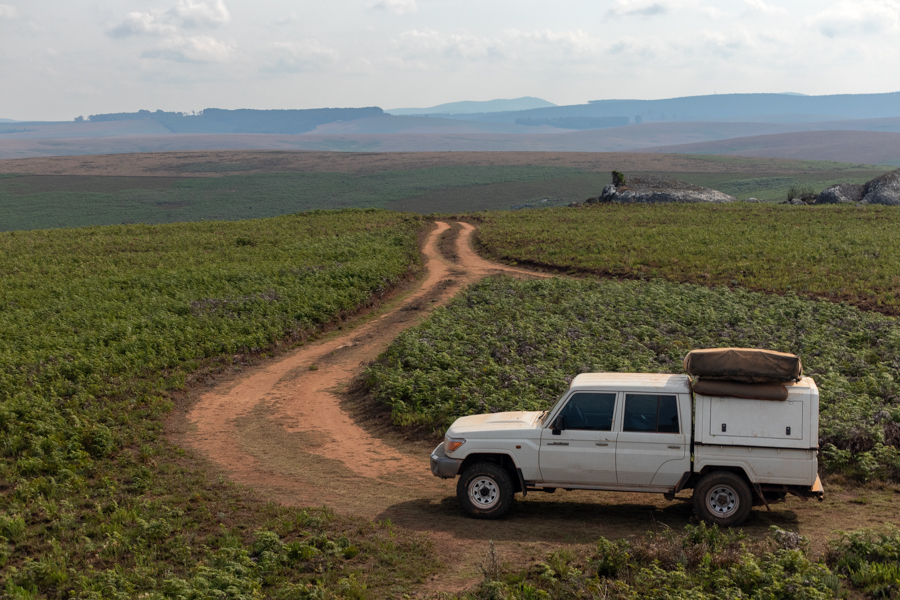
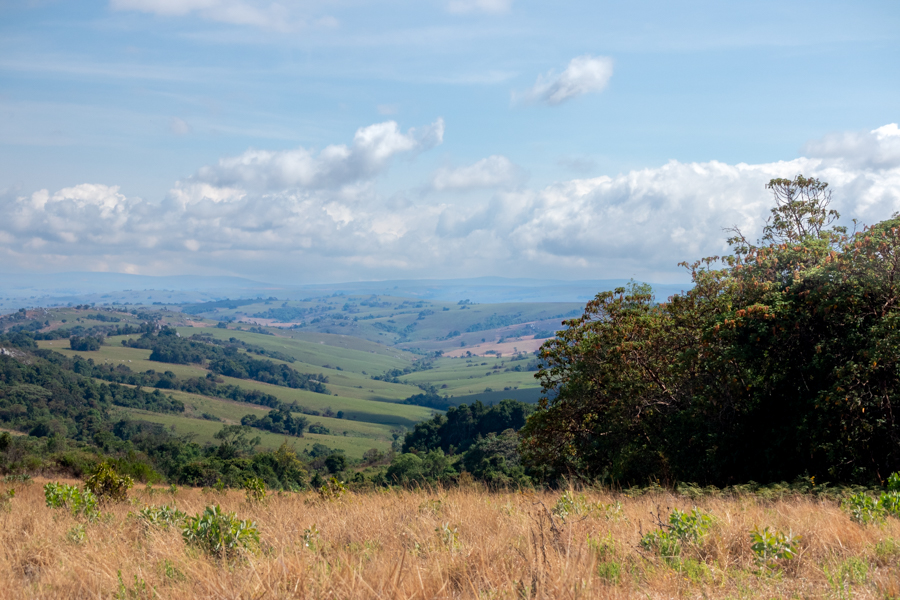
The Nyika Plateau is an area of afromontane grasslands which is in the North West of the country and bordering Zambia. Nyika means "where the water comes from" as it is one of the most important water catchment areas for the country. 3000 sq km of this area makes up the Nyika National Park which is a cross border park.
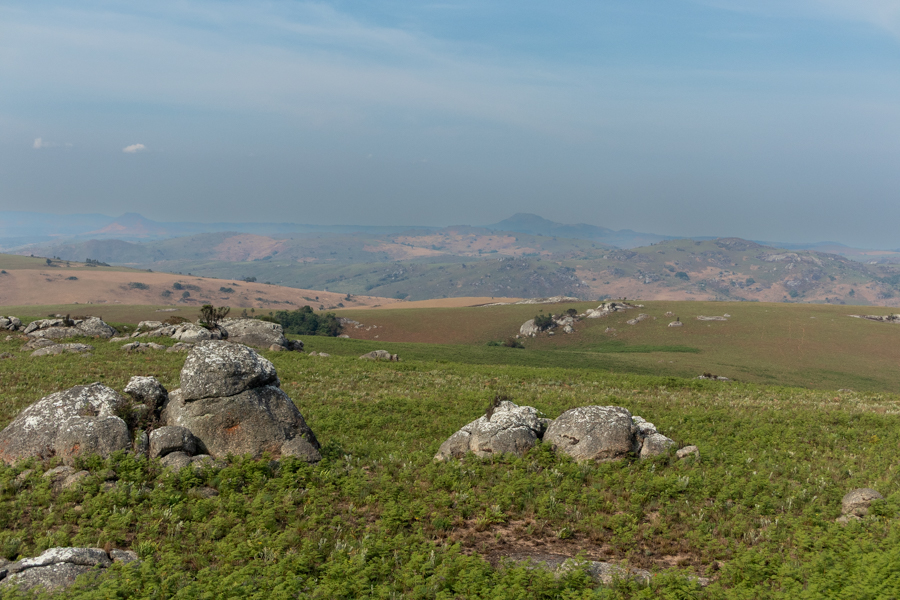
The landscape is characterised by vast grasslands, scattered evergreen forests tucked into little valleys, and rocky outcrops.
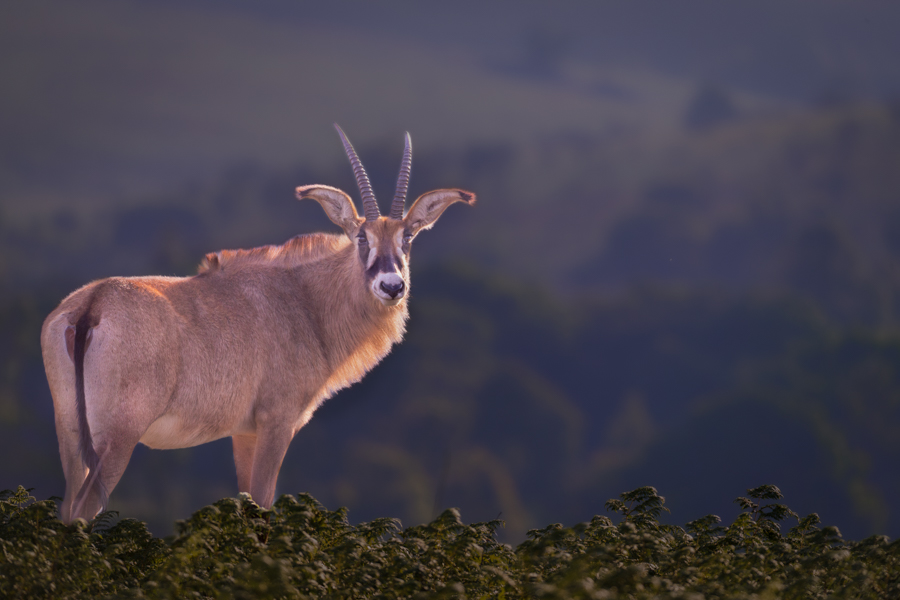
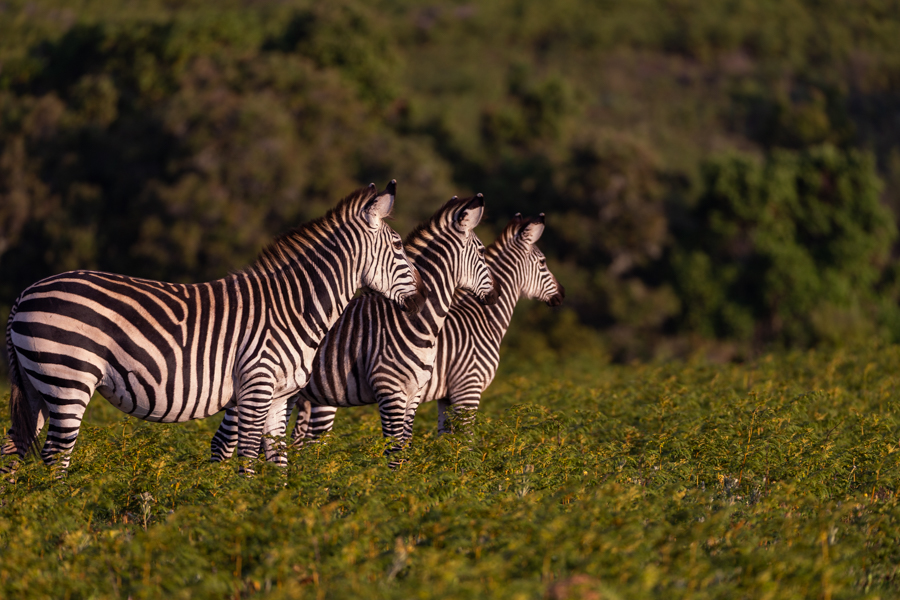
It is home to the highest density of leopards in Central Africa, along with large herds of antelope, zebras, and warthogs. Elephants have recently been introduced. It is also a birdwatcher's paradise with over 400 species. Its floral diversity includes over 200 species of orchids.
Generally cool and misty despite consistent sunshine its climate is pleasant after the heat of the lake. It is popular for hiking and mountain biking.
We decided our next destination was going to be this intriguing park.
We set off for the Nyika park. First stop the major regional town in this area Rumphi. I was again somewhat surprised to find so little available in the shops. The poverty in Malawi is visible. We power cleaned Lisas breaks and bought some biscuits, bread and milk. As we were pulling out a smartly dressed guy flagged us down. He was a Nyika park ranger looking for a lift and we scooped him up.
The road to the reserve was good quality dirt, a bit dusty but otherwise easily navigable. The weather changed noticeably as we climbed and a crisp cold wind blew. We found peanuts and veg on the road side.
About 30 km into the park he had a flat. It was a pain as it was getting late, but Lisa and Dudley and our friendly ranger got out to fix it up. It was a dusty dirty job.
As we were packing up another car drove by and a visibly nervous driver wanted to know if the elephants were on the road. We said we had not seen any and then he said "what about that one over there?"
A lone bull had been watching our efforts from about 30 m away. Oh well, he did not bother us and we did not bother him. We climbed in the car giggling and set off again.
We arrived at reception, an old 60s style stone lodge. Their electricity was out so they sent us to the camp and told us to come back tomorrow.
The camp was on a flat hill surrounded on 3 sides by forest, and a view over some rolling hills and grasslands. There was a neat ablution block, copious amounts of hot water and a camp attendant.
Each of the 3 stands had a shade hut and a HUGE fire pit, big enough for a bonfire, and the camp attendant lit this night and morning and supplied all the wood. Bonus
It looked like a cold night was drawing in but sitting by your own bonfire there was little concern. I made a leftover soup with fresh bread from Rumpi and we climbed into bed early.
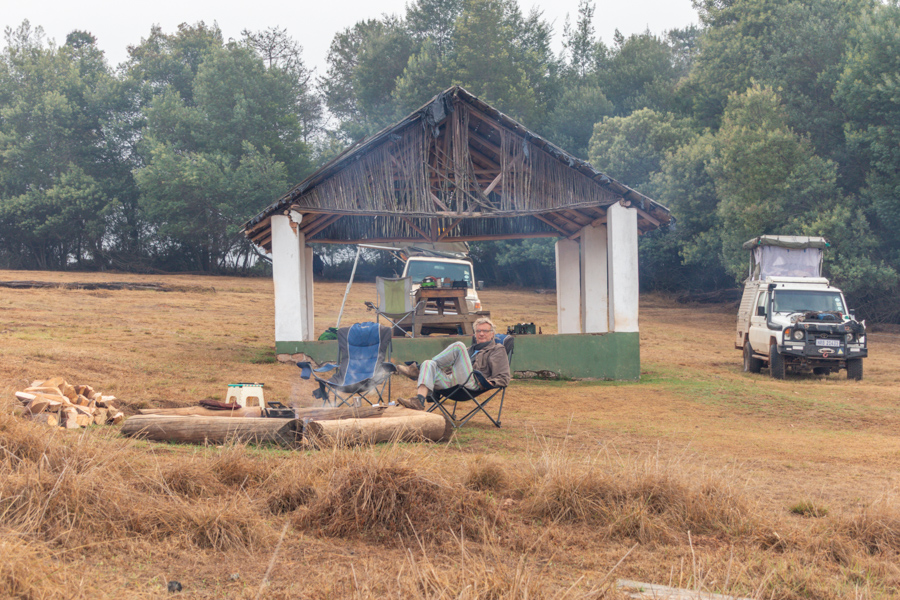
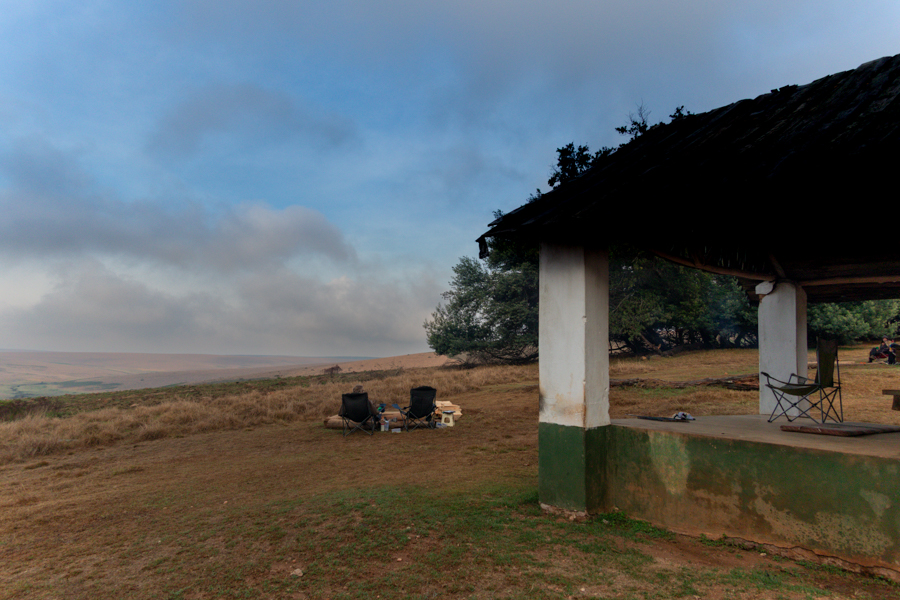
When we woke at daybreak our bonfire was already lit and, despite the icy cold we stayed warm. We drank our tea watching antelope graze on the grassy slopes. Amusingly the landscape is often compared to the Scottish Highlands or the Yorkshire moors. That may reflect the large numbers of homesick Scottish missionaries. I think it looks a bit like the Drakensberg foothills, Ithala style.
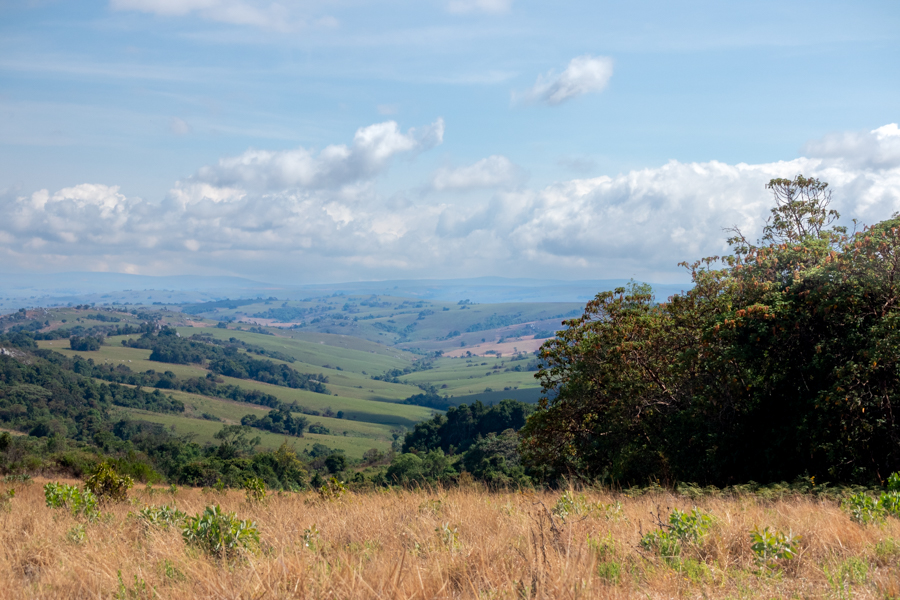
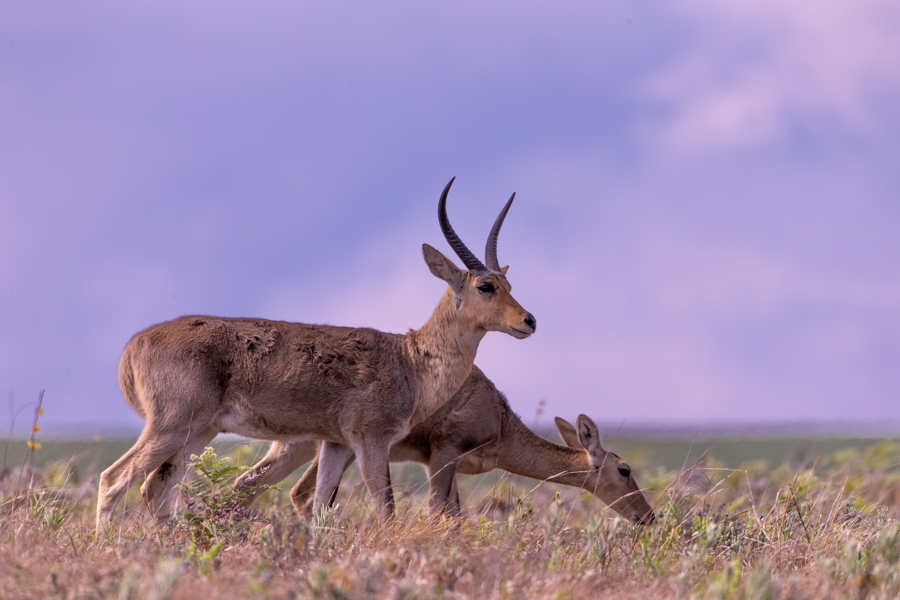
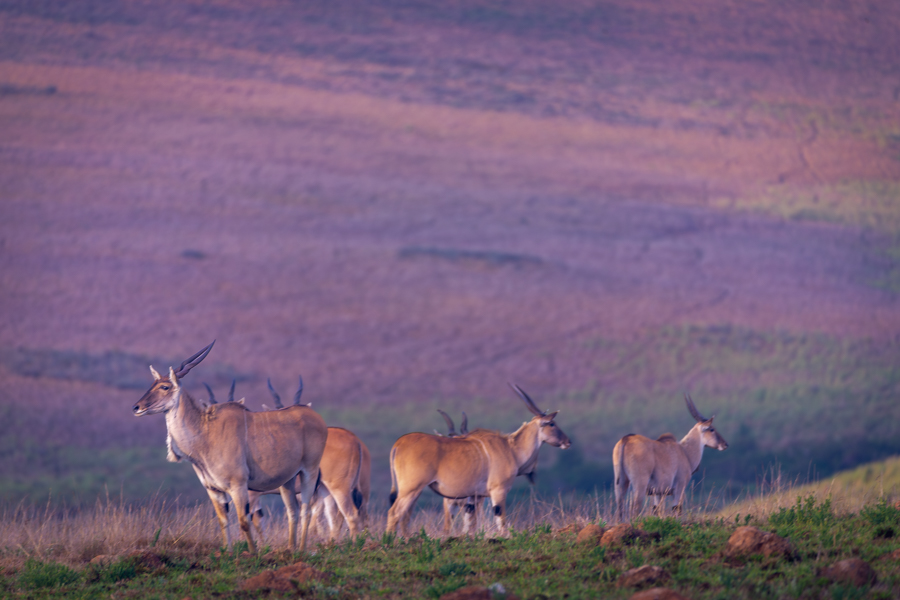
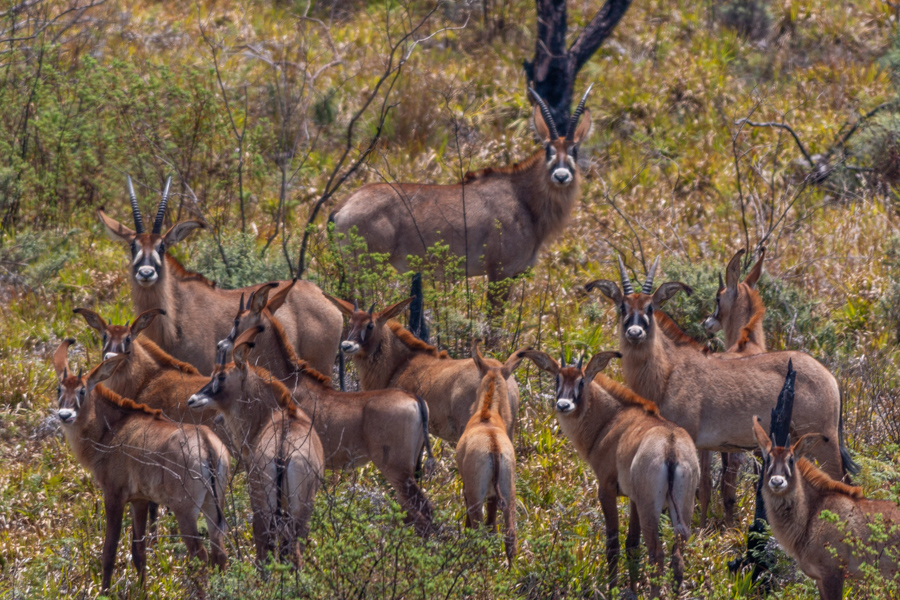
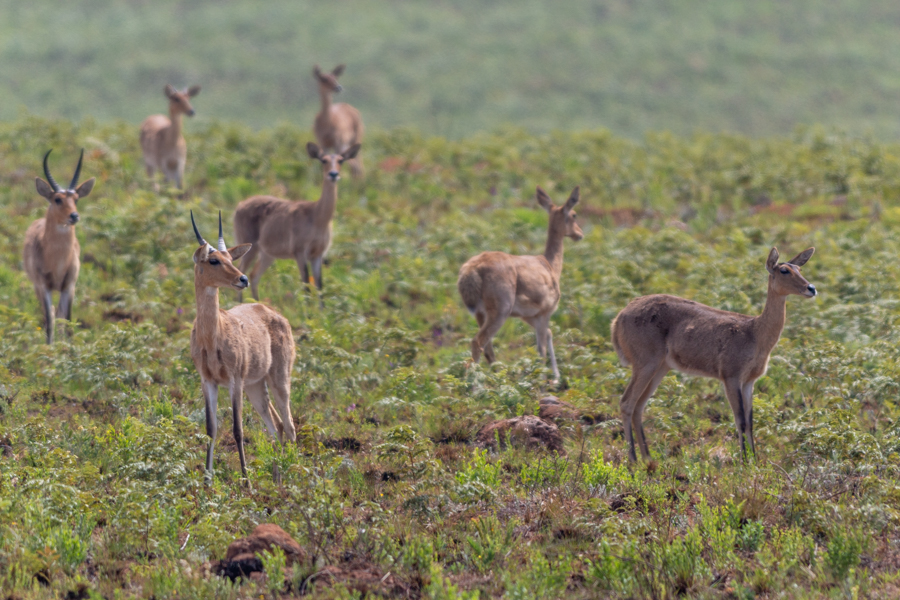
We went back to reception to pay the quite modest charges before heading out for a recce. There are numerous drives around the park but some of the bridges were down so you have to be careful. We saw huge herds of antelope, especially roan, eland and reedbuck, as well as zebra and warthog.
We climbed in and out at the viewpoints and to try and spot orchids. I am not sure we were very good at that.
Out of the car the wind was icy and we had to return to heat up.
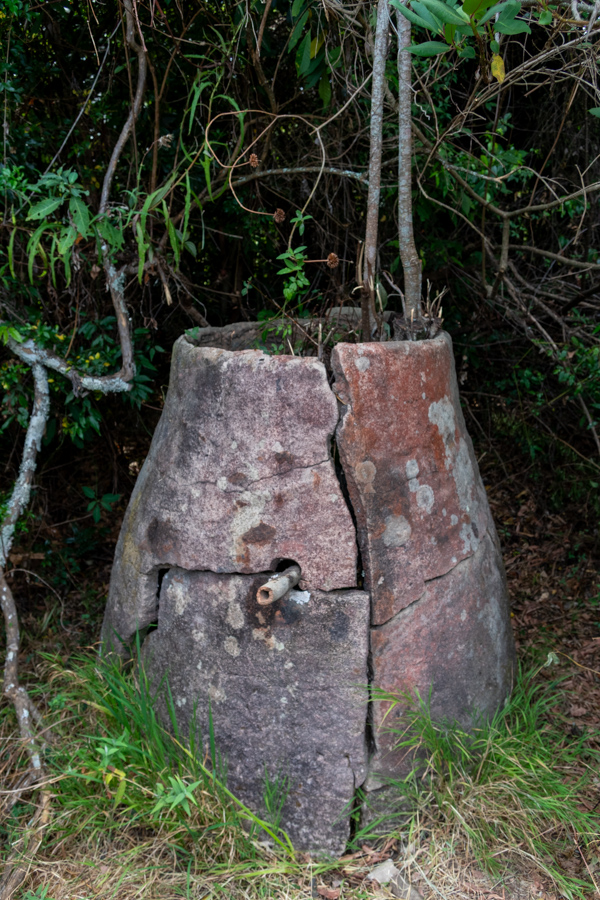
There are the remains of old mines and an old iron smelter with a brick kiln. We saw Denham's bustard and visited Kalumwe lake, a spot the locals bring offerings for rain and to cure sickness.
When we got home we found that the crows had stolen our bread and marg off the table. Everywhere has its scavengers!
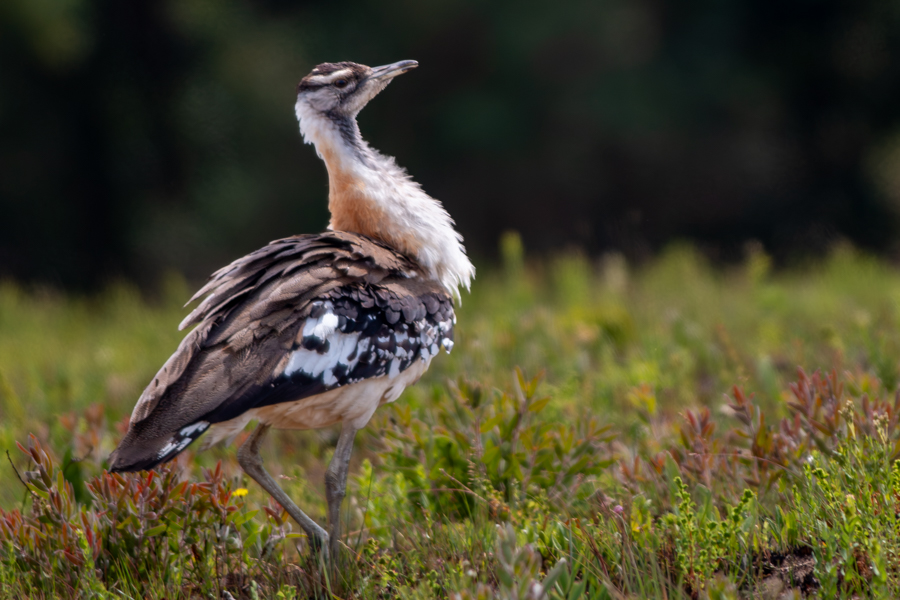
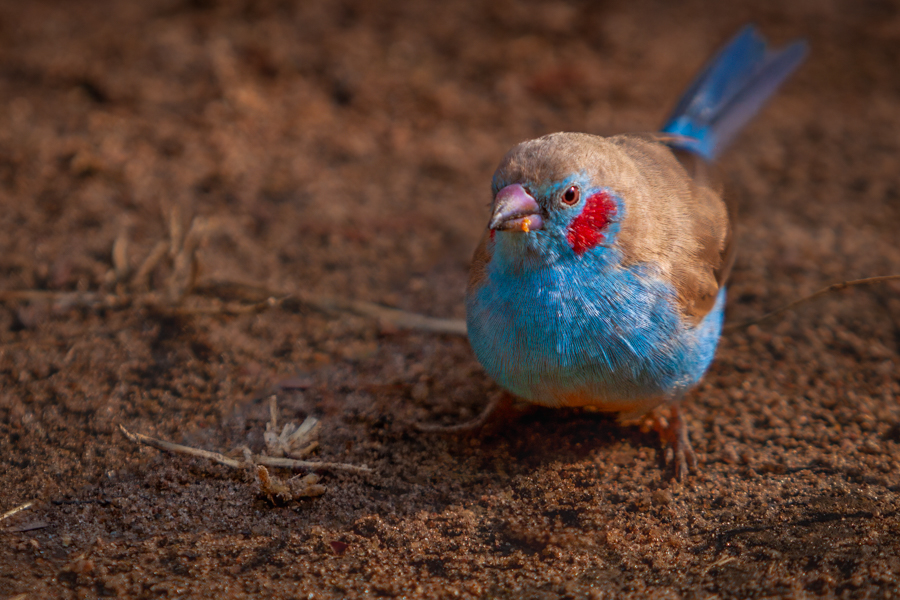
Denham's Bustard above and the CordonBleu Waxbill below.
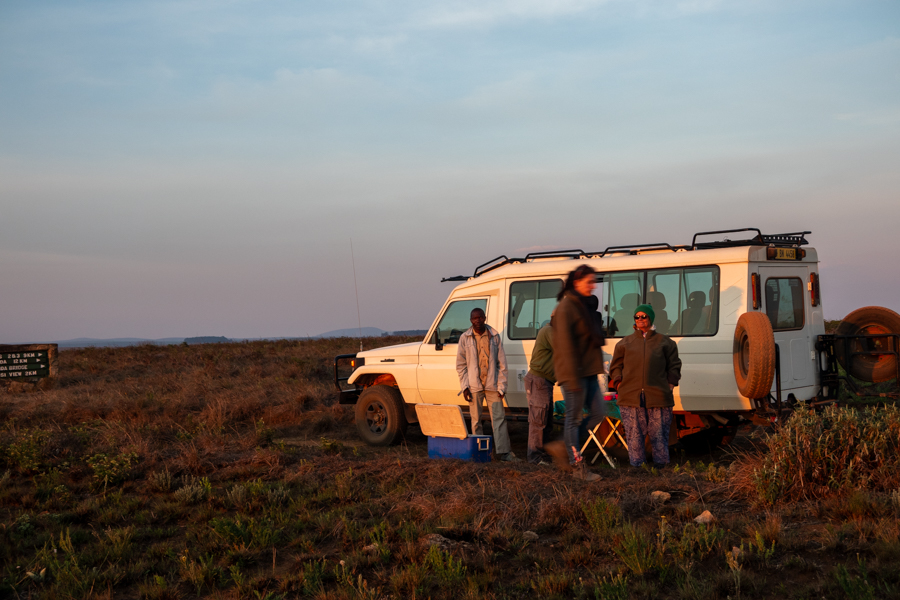
We had booked a night drive for that afternoon. Leopards are common and we were keen to see if we could spot one. The park vehicle came and collected us, a modified cruiser with roof hatches. Aron, the guide we gave a lift to, was our driver. We roamed the park and saw all the usual suspects.
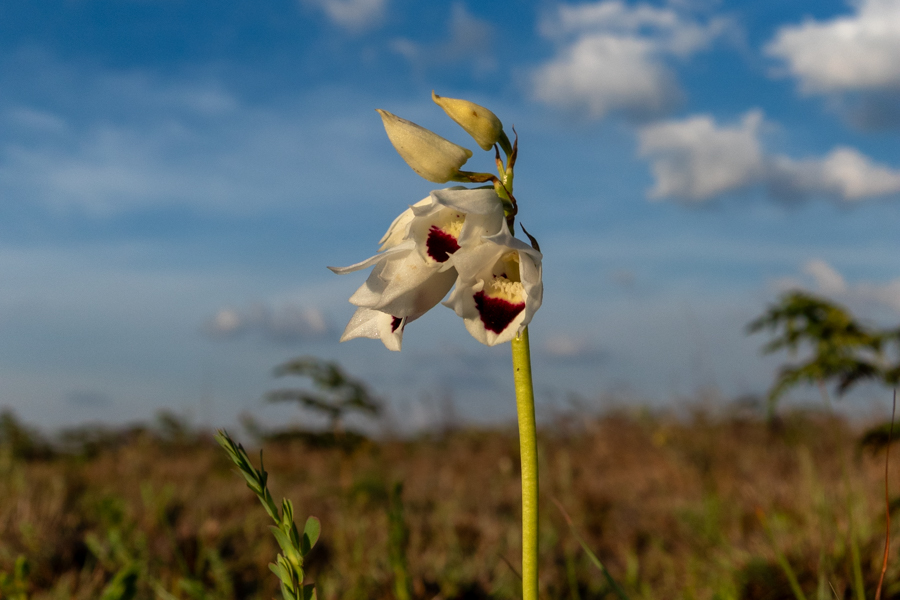
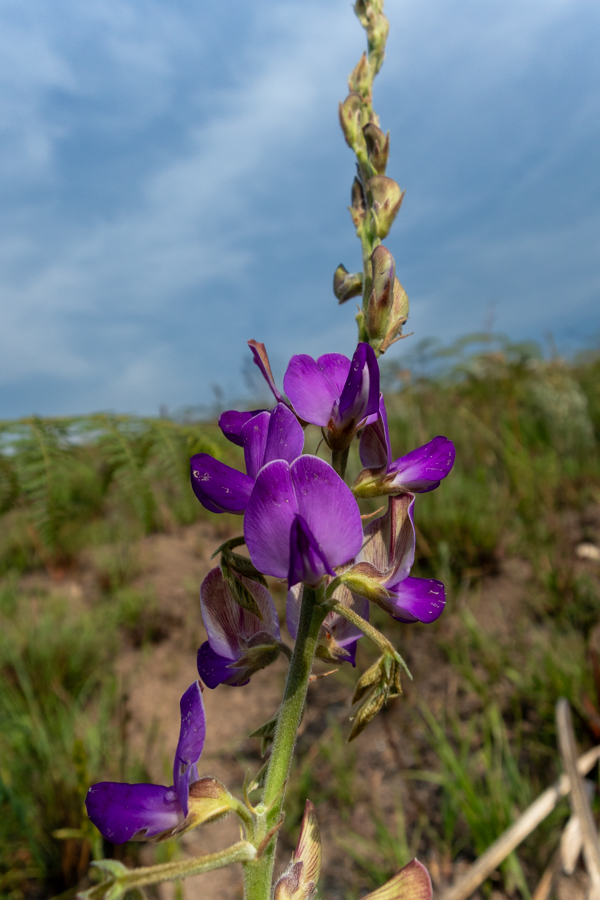
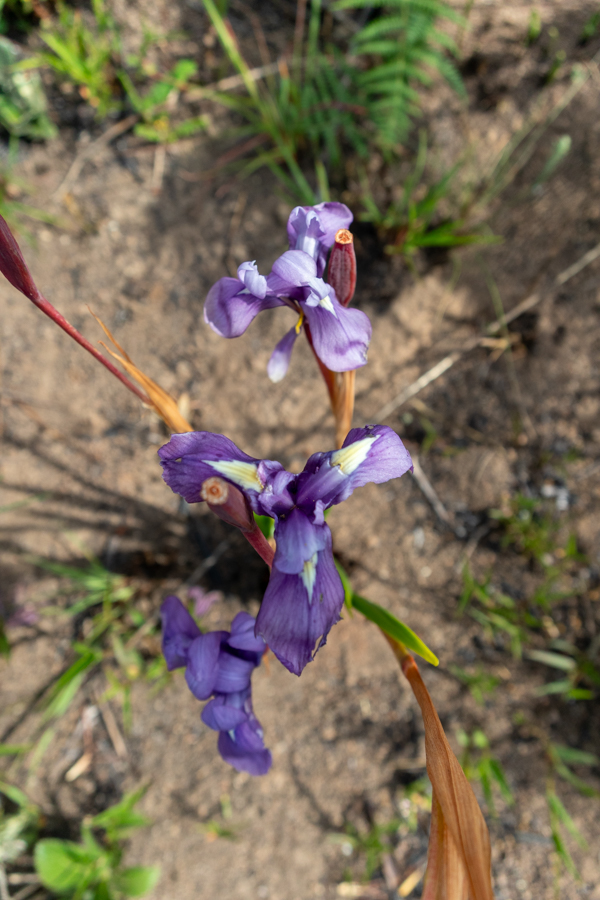
He told us about the plants and we stopped for the orchids. Not the ones we thought. There were also a lot of wild flowers with English names like lupins, gladioli and irises. Those Scottish missionaries were really homesick! He showed us St Johns Wort and Artemsia.
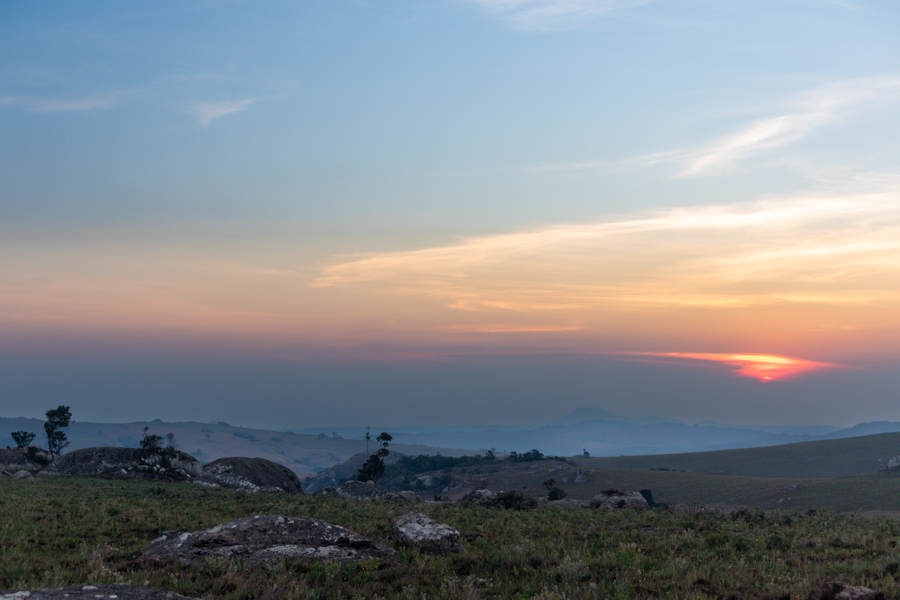
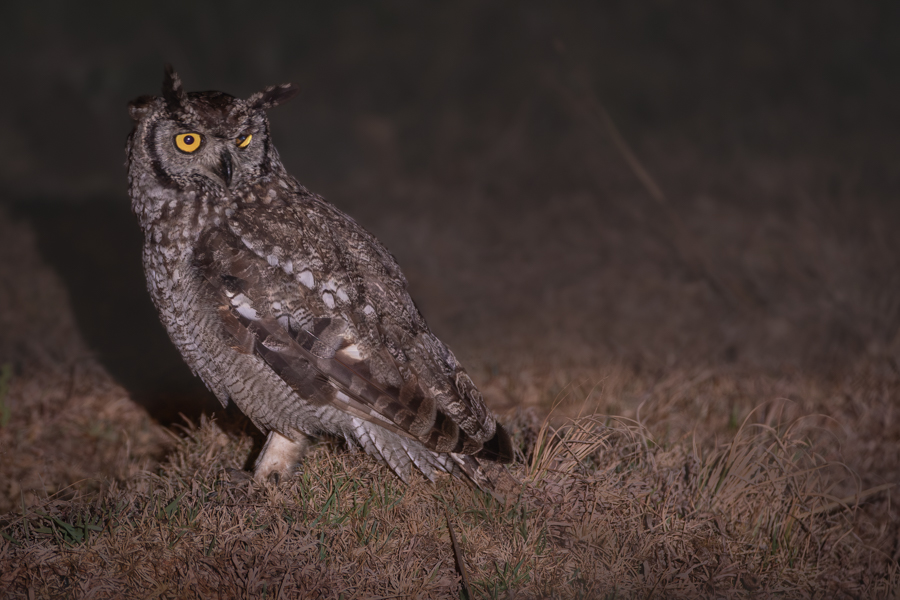
We stopped for a sundown cup of tea and then, as the sun set, we headed to the forest to see the night life. The leopard did not materialize but we had a lovely Serval and 2 eagle owls as well as lots of scrub hares and nightjars so all was not lost.
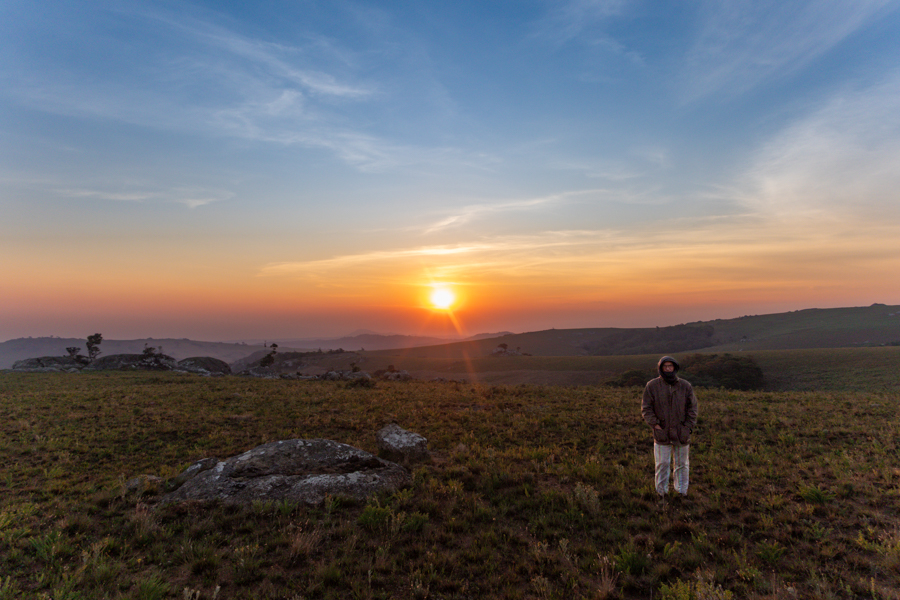
Waking up to tea around a bonfire can become addictive. We watched roan, reedbuck and bushbuck in the morning mist.
Today Dudley and Lisa hired mountain bikes to explore the park and I went to the bar to try and do some banking. Wifi was so weak it took 5 hours to make a few transfers. The staff were fed up with rebooting the system for me.
Perseverance paid off however, and the cyclists came back saddlesore and reporting they had to make do with 2 gears. I am not sure all the walking and cycling will be allowed when the elephants really settle in. We took the opportunity while we could. Maybe bring your own bike next time!
It was time to head back to the lake for some warmth and underwater time!